
Chronic conditions · March 1, 2025 · 2 min read
Stay in the Know: Chronic Kidney Disease
By Regional Essential Pharmacist
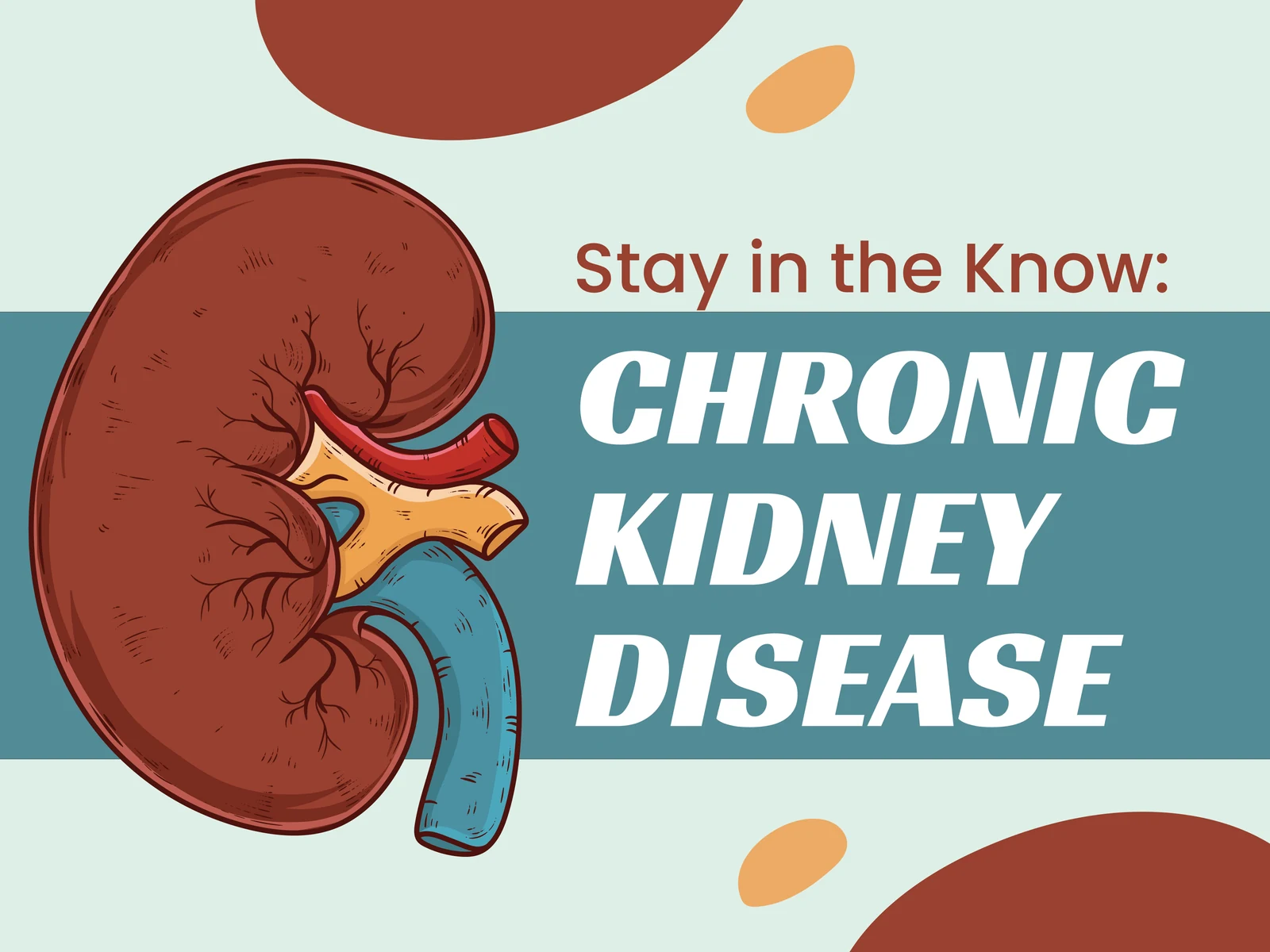
Your kidneys work quietly every minute of the day. They filter waste and extra fluid from your blood, help control blood pressure, keep minerals in balance and help make red blood cells. Chronic kidney disease, often called CKD, happens when the kidneys are damaged and slowly lose their ability to do these jobs. Many people with early CKD feel fine and do not know they have it.
Who is at risk
The two most common causes of kidney disease are diabetes and high blood pressure. Both are common in our community. Other risk factors include heart disease, a family history of kidney disease, obesity, and being over 60. Hispanic, Black and Native American adults have a higher risk of kidney disease, which is one more reason to stay on top of your health numbers.
How it is found
Early kidney disease usually has no symptoms. It is found with simple tests. A blood test checks how well your kidneys filter, and a urine test checks for protein. If you have diabetes, high blood pressure or a family history, ask your doctor how often you should be tested.
Later stages can cause swelling in the legs or ankles, tiredness, trouble concentrating, poor appetite, and changes in urination. Do not wait for these signs.
Ways to protect your kidneys
You can take steps today to help keep your kidneys healthy or slow kidney disease if you already have it:
- Keep your blood pressure in the range your doctor recommends
- If you have diabetes, keep your blood sugar in your target range
- Take your medicines as prescribed and do not skip doses
- Eat less salt and fewer heavily processed foods
- Stay active most days of the week
- Do not smoke, and limit alcohol
- Stay hydrated, especially in the desert heat, unless your doctor has asked you to limit fluids
Healthy kidneys start with the numbers you can check at every visit: blood pressure and blood sugar.
Your kidneys help clear many medicines from your body. When kidneys are not working well, some medicines can build up, and doses may need to be adjusted by your doctor. Some over the counter pain relievers can be hard on the kidneys when used often or in large amounts, especially for people who already have kidney disease. Always ask us before taking a new over the counter product.
Tell every provider that you have kidney disease, and keep an updated list of your medicines. We can check each new prescription against your list.
Learn more with us
Our free health classes, including Preventing Complications of Chronic Diseases and Living with Chronic Diseases, cover how conditions like diabetes and high blood pressure affect the kidneys. Classes are offered in English and Spanish.
Call us at 661.941.4402 to reserve a seat or request a free medication review.
This article is general education, not medical advice.