
Seasonal · June 1, 2025 · 3 min read
Summer Pet Safety Tips: How to Keep Your Pets Cool and Healthy in the Heat
By Regional Essential Pharmacist
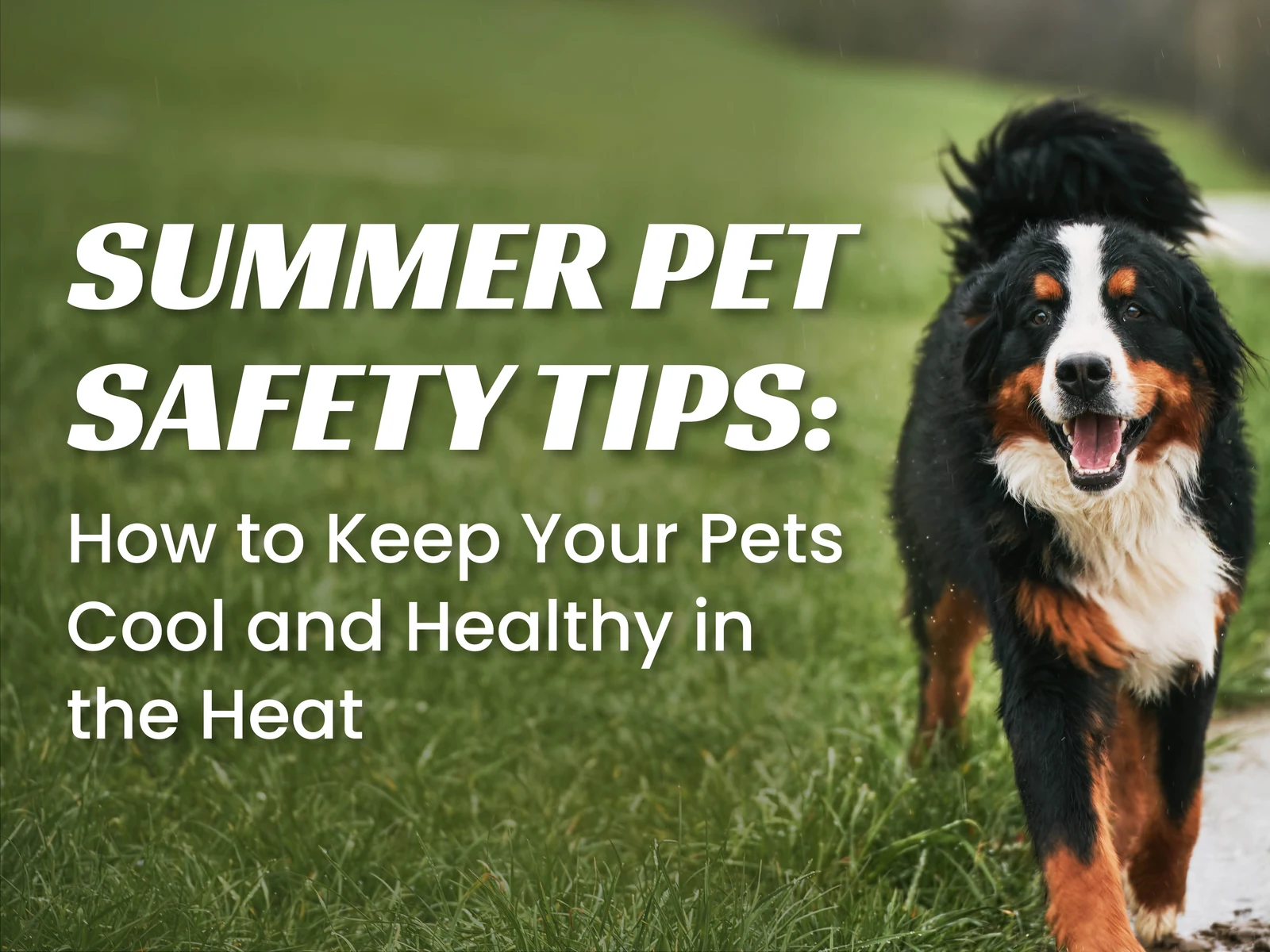
Our pets are family. In the Antelope Valley, summer temperatures can climb fast, and dogs and cats feel the heat even more than we do. They cannot sweat the way people can, and they rely on us to keep them safe. A few simple habits can prevent a dangerous situation.
Heat and pets
Dogs cool down mostly by panting. When the air is very hot, panting is not enough. Short nosed breeds, older pets, puppies, overweight pets and those with heart or breathing problems are at higher risk. Cats can overheat too, especially indoors without air conditioning.
Everyday ways to keep them cool
Small changes to your routine go a long way:
- Always leave fresh, cool water out, and check it often
- Make sure outdoor pets have full shade all day
- Walk dogs early in the morning or after sunset
- Test the pavement with your hand. If it is too hot for five seconds, it is too hot for paws
- Bring pets inside during the hottest part of the day
- Never leave a pet alone in a parked car, even with the windows cracked
- Offer a cooling mat or a damp towel to lie on
A car can become dangerously hot in just a few minutes, even on a mild day. If you cannot take your pet inside with you, leave them home.
Know the signs of heatstroke
Watch for heavy panting, drooling, bright red gums, weakness, stumbling, vomiting or collapse. If you see these signs, move your pet to a cool area right away. Offer small amounts of cool water. Place cool, not ice cold, wet towels on their body. Then call your veterinarian immediately. Heatstroke can be life threatening, and quick care matters.
Here is something many people do not think about. Human medicines can be very dangerous for pets. Some common pain relievers and other over the counter products that are safe for people can seriously harm dogs and cats, even in small amounts. Keep all your medicines, vitamins and supplements in closed cabinets, out of reach. Pick up any pill you drop right away.
Never give a pet a human medicine unless your veterinarian tells you to. If your pet does swallow a medicine, call your veterinarian or a pet poison hotline right away.
Some veterinarians prescribe medicines for pets that a pharmacy can fill. If your pet has a prescription, call us and ask whether we can help.
Other summer hazards
Fireworks, barbecue scraps, pool chemicals, lawn products and snakes are all summer risks in our area. Keep pets indoors during fireworks, keep food scraps away, and store chemicals safely. Keep vaccines and flea and tick prevention up to date as your veterinarian recommends.
With a little planning, summer can be a happy and safe season for every member of your family, including the ones with four legs.
Call us at 661.941.4402 with any questions about storing medicines safely around pets.
This article is general education, not medical advice.