
Seasonal · August 1, 2025 · 3 min read
Understanding Dehydration: How To Prevent It
By Regional Essential Pharmacist
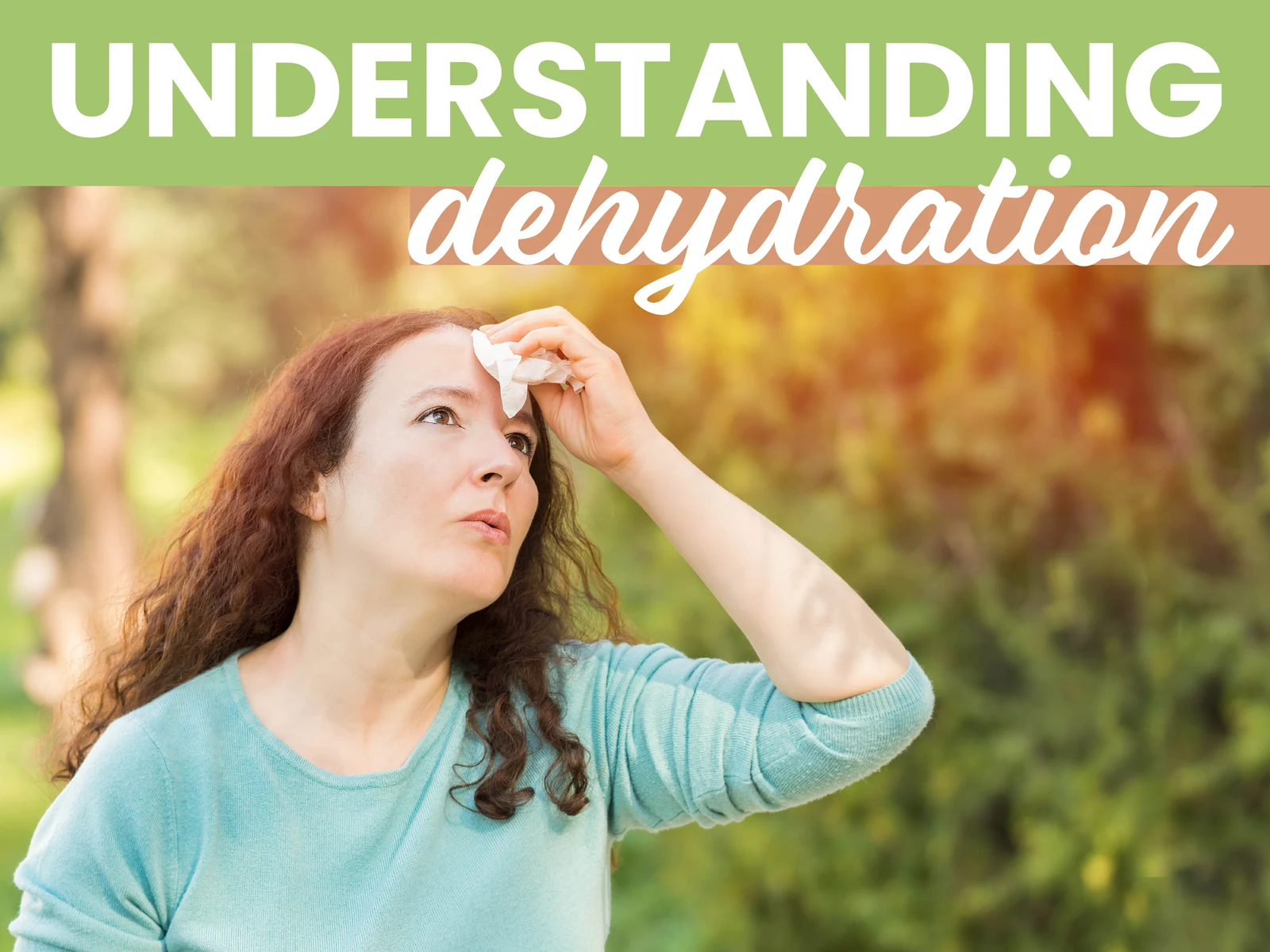
Living in the high desert, we know dry heat. What many people do not realize is how quickly the body can lose water here, even when you do not feel sweaty. The air pulls moisture away fast. Dehydration can sneak up on anyone, and it can be serious for older adults, young children, and people with certain health conditions.
What dehydration is
Dehydration happens when your body loses more fluid than it takes in. Water helps control body temperature, keeps joints moving, protects organs, and helps your kidneys clear waste. When you are low on fluid, your body cannot do these jobs well.
Signs to watch for
Early signs are easy to miss. Thirst is one, but by the time you feel thirsty you may already be a little behind. Other signs include:
- Dark yellow urine or urinating less than usual
- Dry mouth, lips or skin
- Headache or feeling tired
- Dizziness or lightheadedness, especially when standing
- Muscle cramps
- In babies, fewer wet diapers and no tears when crying
Severe dehydration can cause confusion, a fast heartbeat, fainting, or very little urine. That needs medical care right away.
Who is at higher risk
Older adults often feel less thirsty, so they may not drink enough. Children lose fluid quickly, especially with fever, vomiting or diarrhea. People who work outdoors or exercise in the heat are also at risk.
Some medicines can make dehydration more likely. Water pills, some blood pressure medicines, and certain diabetes medicines are examples. Do not stop or change any medicine on your own. Instead, ask us whether your medicines affect how much fluid you need, especially during summer.
If you take a water pill or several daily medicines, ask your pharmacist how the heat may affect you. It is a quick and important conversation.
Most healthy adults do well by drinking water regularly throughout the day. Your needs go up when it is hot, when you are active, or when you are sick. Some people with heart or kidney conditions have been told to limit fluids, so follow your doctor's advice first.
Simple habits help. Carry a refillable water bottle. Drink a glass of water with every meal. Eat water rich foods like watermelon, cucumbers, oranges and lettuce. Limit sugary drinks and alcohol. When you are sick with vomiting or diarrhea, small sips often are easier than big gulps, and an oral rehydration drink can help. Ask us which one to choose.
For family members who forget to drink, try setting a phone reminder or keeping a pitcher of water in sight. Check on older neighbors during heat waves.
When to get help
Call your doctor if dehydration symptoms do not improve with fluids, if someone cannot keep fluids down, or if a baby or older adult seems unusually sleepy or confused. Call 911 for fainting or severe confusion.
Staying hydrated is one of the simplest ways to protect your health in the Antelope Valley.
Call us at 661.941.4402 or ask for a free medication review to see if your medicines affect your fluid needs.
This article is general education, not medical advice.